Auto insurance
Liability, comprehensive and collision on one policy, with uninsured motorist written to match your bodily injury limits.
- BI / PD limits
- 100/300/50
- Comp / coll deduct.
- $500 / $500
- UM / UIM
- 100/300
$1,284 / yrSample. Not a quote.
Product family
Liability, comprehensive and collision on one policy, with uninsured motorist written to match your bodily injury limits.
$1,284 / yrSample. Not a quote.
HO-3 and HO-5 forms with replacement cost on the dwelling, and a separate wind and hail deductible written in plain figures.
$1,616 / yrSample. Not a quote.
HO-4 contents and liability coverage that follows you off the property, plus loss of use if the building becomes uninhabitable.
$214 / yrSample. Not a quote.
HO-6 walls-in coverage sized against your association master policy, including loss assessment for shared structure claims.
$486 / yrSample. Not a quote.
Personal liability that attaches above your auto and home limits and pays after those limits are exhausted.
$317 / yrSample. Not a quote.
Level term for the years the mortgage and the kids overlap, or whole life when the need does not have an end date.
$38 / moSample. Not a quote.
Separate physical damage and liability for the things a homeowners policy explicitly will not cover.
$472 / yrSample. Not a quote.
A BOP packaging general liability, business personal property and business income for small operations under 100 employees.
$1,940 / yrSample. Not a quote.
An HO-3 covers your structure against open perils and your belongings against a named list. An HO-5 opens both. Here is where that gap shows up in a claim.
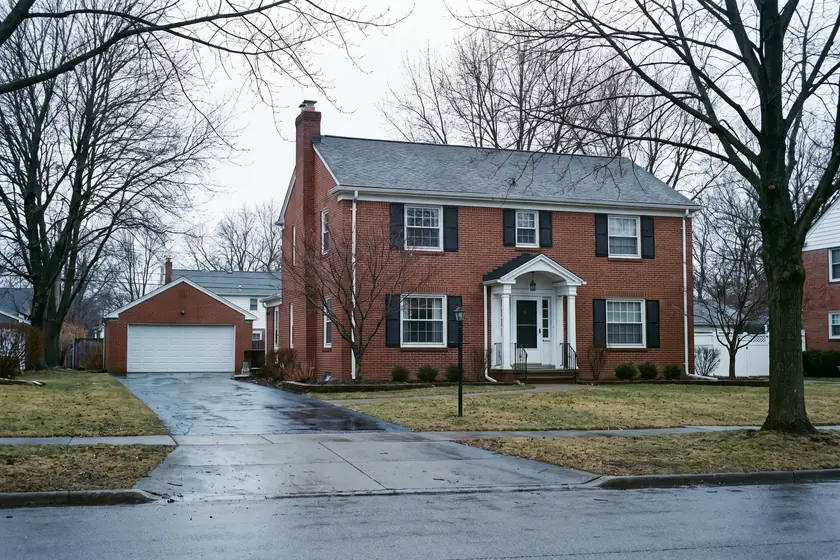
Homeowners policies in the United States are sold as standardised forms with numbers. Most households are written on an HO-3. The upgrade is an HO-5, and the difference is one word applied in one extra place.
An open perils basis covers any cause of loss except the ones the policy specifically excludes. A named perils basis covers only the causes of loss printed in a list, typically sixteen of them. The practical consequence is the burden of proof. On open perils, we have to show your loss was excluded. On named perils, you have to show it was listed.
Coverage basis by form
A tree through the roof is covered on both forms: falling objects is a named peril and it is not an HO-3 exclusion. The gap opens on the ordinary domestic accidents that do not appear on any list. A can of wood stain tipped across a rug. A laptop dropped down a stairwell. A ring lost in the yard rather than stolen from the house.
None of those are named perils, so an HO-3 declines them and an HO-5 pays them subject to the deductible. That is the whole difference, and for most households it costs a modest percentage on the premium.
Ask which form number is on your declarations page before you ask what the premium is. The form decides what gets paid; the premium only decides what it cost you to find out.
An agent will read your current declarations page with you and point at the lines that decide a claim, whether or not you move anything to us.
Nothing here binds cover. No data leaves your browser on this demonstration site.
Storage on this device
No cookies, no analytics, no third-party scripts, nothing shared with anybody. This site would like to keep four choices in your browser: theme, ink, lettering and your reading options. Decline and everything still works — it just forgets when you leave.Privacy notice
Form LW-1 · amendment to this page
Recolour this site in front of you. Every ink below was checked against both themes before it was offered, so nothing is corrected after you pick it.
Pure grounds, and every muted ink pulled up to the primary.
Stills the peril field, the parallax and every scroll-driven animation. Starts from your system setting.
Every link in the body and the footer, always underlined.
These are preferences, not a conformance claim. This site has not been audited against WCAG and says nowhere that it has been.